
The Role of a Film Director: A Practical Guide for Creators
Last reviewed March 2026
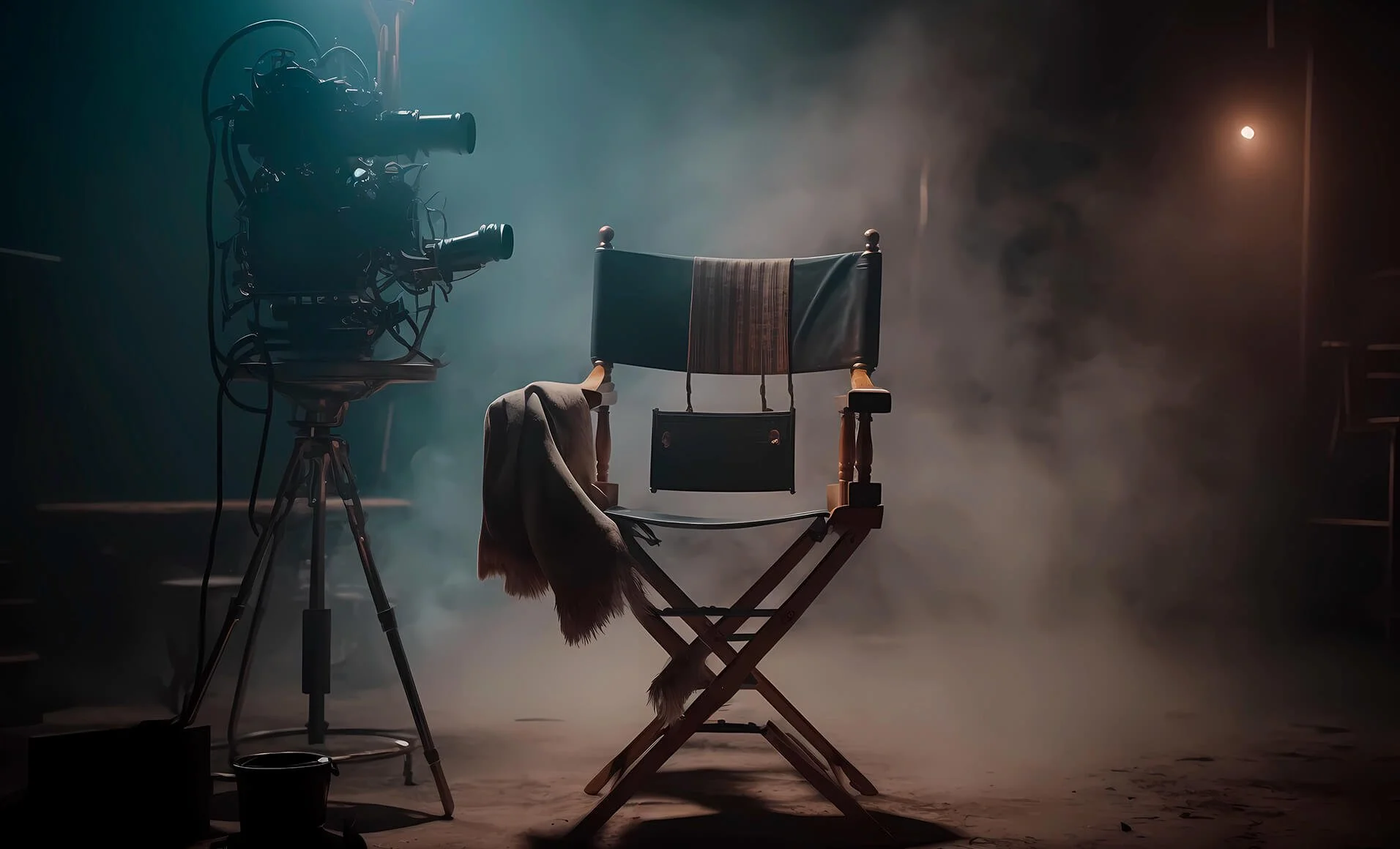
The director stands at the very centre of any film or video project and carries significant responsibility. This role requires a clear creative vision, patience, emotional intelligence, strong leadership, and thorough preparation to bring a script to life while guiding actors, crew, and collaborators towards a unified goal. Everyone involved relies on the director’s decisions and readiness, so arriving unprepared can undermine trust, momentum, and the quality of choices made later in the edit.
Regardless of the project's size whether it is a major feature film, a corporate brand video, a YouTube series, or a short social media clip, direction is always required. Even solo creators filming on a smartphone must make deliberate choices about framing, pacing, performance, and editing to turn raw footage into something meaningful. These core fundamentals remain the same across all scales, and they sit inside the wider workflow covered in the video production workflow guide.
Understanding the weight and power of this role can help creators of all kinds make more intentional and confident choices. Adopting a director’s mindset and discipline can raise the quality and impact of your work from the planning stage onward, turning good ideas into compelling stories that are more likely to connect with viewers.
What the Role Really Involves

Many people picture a director calling "action" and "cut", but the job runs much deeper. It centres on interpreting the script and crafting a unified vision that touches audiences emotionally. Directors make countless decisions about story, performances, and visuals while leading a team collaboratively, often deciding what matters most when time, light, or budget starts to move against the plan.
A director shapes the overall story, tone, and emotional impact. They interpret the script, make decisions on pacing and visuals, and lead actors and crew to realise that vision. Communication proves vital here. Directors give clear feedback while fostering a collaborative atmosphere, because unclear notes can waste takes and drain confidence quickly.
They hold final creative responsibility while balancing artistic aims with practical limits like time and budget. Good directing also means knowing when to simplify a strong idea so the team can execute it well, especially when those creative choices need to stay aligned with the producer role handling planning, logistics, and delivery decisions.
Directing Through the Key Stages
Directing is not a single moment but a continuous process across the entire production timeline. Breaking it into stages reveals how responsibilities evolve, from big-picture planning to fine details in editing. This structure helps even solo creators stay organised and intentional, and it reduces a common mistake where all the attention goes to shooting day while planning and post are treated as afterthoughts.
The table below summarises the main responsibilities at each stage and the common pitfalls that tend to cause problems later. Use it as a quick priority check when planning, shooting, or revising an edit under time pressure.
| Stage | Main Responsibilities |
|---|---|
| Pre-Production | Refine the script, create storyboards or shot lists, audition and cast actors, plan style and locations with department heads, and run rehearsals. |
| Production | Block scenes, guide performances, set up shots, review takes instantly, adapt to challenges, and keep the team motivated. |
| Post-Production | Select takes with editors, refine pacing, oversee sound design, music, and effects, and create a polished final cut. |

The three core stages of directing shown as a working sequence. Pre-production shapes intent and coverage, production protects performance and clarity, and post-production refines rhythm and emotional impact.
Here are some practical tips to apply these responsibilities in your own projects, even on a small scale without adding much cost
Pre-production Use free phone apps for quick sketches or notes. Rehearse lines aloud or record yourself to test tone and pacing early. At this stage, decide what the audience needs to understand in each scene so the shot list supports the story instead of just coverage.
Production Start each shoot with a clear plan but stay open to spontaneous ideas. Check footage on your device between takes to catch issues immediately. Look for performance continuity, focus, and background distractions before moving on.
Post-production Try simple AI tools for rough cuts, but always watch the full edit for emotional rhythm and story flow. If a scene feels flat, review whether the issue is pacing, missing reaction shots, or unclear motivation before adding effects.
Essential Skills and Tips for Today
Beyond the technical stages, directing success depends on a set of core skills that set great work apart. These abilities are not mysterious talents reserved for a few. They develop through practice, reflection, and learning from each project. Focusing on these areas often turns straightforward footage into something truly engaging, especially when resources are limited and each decision carries more weight.
Great directors build these core abilities over time
Clear communication to deliver helpful, inspiring notes that tell people what to change and why
Decisive leadership when quick choices are needed such as trimming a setup to protect performance time
Emotional awareness to draw out authentic performances without overloading actors with too many notes at once
Flexibility to handle unexpected changes while protecting the scene goal even if the original plan shifts
Strong narrative instinct to keep story first when a visually interesting shot competes with clarity
Directing now often means working on vertical shorts, branded pieces, or videos shot entirely on phones. Readily available apps and AI features help achieve polished outcomes without large budgets, but they do not replace judgement about story priority, performance, and pacing.
Start small. Pick an idea that matters to you, sketch key shots, rehearse if you can, film, and edit with purpose. A simple sequence works well for early projects
decide the scene objective
plan only the shots needed to communicate it
shoot with time to review takes
edit for clarity before style choices
Focus on genuine connection and experiment freely to discover what suits your style.
Further Reading
To explore directing in more depth, here are three respected resources that complement the guide above and work well alongside hands-on practice on small projects
The Best Film Books, by 51 Critics – British Film Institute (BFI)
A curated list of essential film books recommended by critics, many touching on directing principles from industry legends.Making Movies by Sidney Lumet
A classic book where the acclaimed director breaks down his real-world process across all stages.Film, Cinema & TV Book Recommendations – Five Books Expert interviews (including directors like Darren Aronofsky and Matt Whitecross) recommending the best books on filmmaking, directing, and cinema history.