The Best Filmmaking Gear Isn't What You Think - It's You
Forget the mirrorless monsters with 8K video and eye-detect autofocus. Those things are just fancy hammers. What matters is the carpenter.
I'm not telling you to skip buying a new kit. New lenses can be a blast, and yes, that full-frame body will capture cleaner footage than your phone. But even smartphones these days can produce incredible content. It's another testament to the operator being the key in the equation. If you think an expensive camera is going to turn you into Scorsese overnight, you're dreaming.
Two people can shoot the same scene on identical gear and walk away with totally different results. One frames the shot like it's got purpose, lights the actor so their eyes come alive, and pulls every emotion out of the moment. The other just hits record and hopes for the best. Same tools, different brains.
It's like playing piano. Two people can hammer out the same tune, but one brings that soul-stirring character because they've put in the reps. Experience is what turns a good operator into a great one. That stuff can't be bought.
Gear, Tribes and Avoiding the FOMO Trap
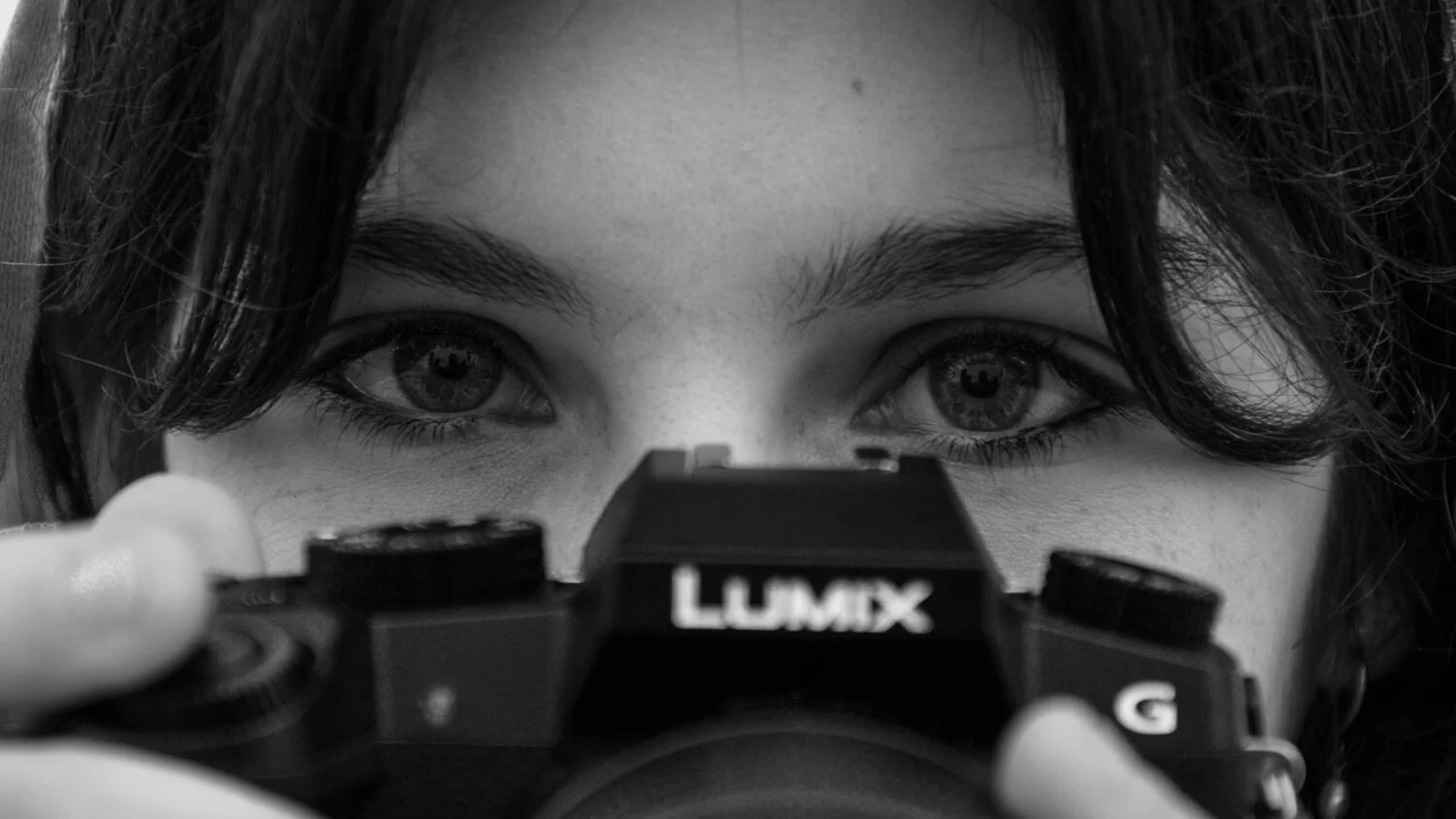
Canon, Sony, Lumix, RED, Arri. Everyone swears by their tribe. But no matter which system you choose, the same principles apply. Don't get caught in endless upgrades. Most modern cameras already have everything you need. And don't let FOMO get hold of you, that fear of missing out on the latest lens promising the perfect look. So many filmmakers fall for it, but honestly, most cameras these days have killer features already. Don't be fooled.
If your budget is tight, start with what you've got. Shoot more. Watch your work, cringe at the early stuff, and keep going. Every terrible take teaches you something. The person behind the lens is the real upgrade path, and you're already carrying one.
If you're itching to experiment with different looks, grab some vintage lenses off eBay. They're cheap and give that unique, dreamy, old-school vibe without breaking the bank.
Tools Are Great, But Never Forget the Human Side
AI tools can help with storyboarding, colour grading, or generating backgrounds. They’re another way to stretch your creativity without spending a fortune. But don’t let AI hand you the fish. There’s a reason people go fishing: they want the experience of casting the line, waiting for the tug, feeling that rush. The process matters. If everyone is just handed a pre-cooked meal, the whole thing loses its flavour. Use AI as a sidekick, not a replacement.
And finally, never overlook the experience you give your client. Be inclusive, answer their questions, make them feel part of what’s being created. Walk into the room with quiet confidence and let them know everything is under control. Turn up on time and be a proper time ninja. Keep a watchful eye on the clock so schedules don’t drift. A true professional is the key orchestrator on the day, making sure every moving part comes together smoothly. If you’re sloppy with timing, it ripples into a bad experience and can cost you referrals.
I’ve been doing this for over 14 years. I’ve watched filmmakers turn up with tiny compact cameras or ancient rigs the size of a shoebox and, nine times out of ten, it’s the old-school operator who turns heads. Times have changed dramatically, but perception hasn’t. The story you tell is still what matters most.
There you have it. Proof that the best filmmaking gear starts with you.