The Camera Operator Role in Small-Team Video Production
Last updated: April 7, 2026
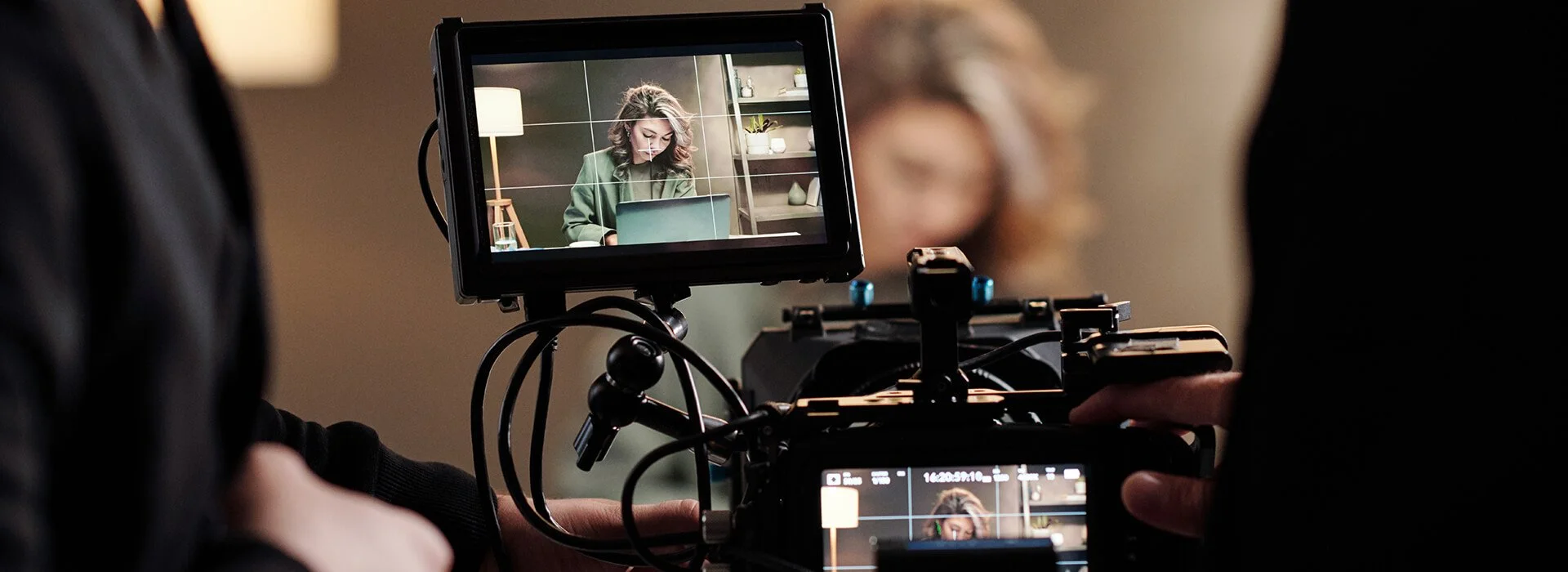
Small video shoots rarely fall apart because nobody pressed record. More often, they break down because nobody clearly owned the frame.
The interview is usable, the location works, and the subject gives solid answers. Then the edit starts, and the gaps appear. Framing drifts between takes, coverage feels thin, and multiple operators may have captured the same moment without enough variation. The footage is workable, but it is harder to shape into something controlled and convincing.
That is where the camera operator role matters.
The job is not just to operate the camera. It is to protect the frame, keep the material usable, and reduce avoidable problems before they reach the edit. Within the wider workflow covered in video production fundamentals for creators and small teams, this is the narrower question of who is actually responsible for the image once production is underway.
What the camera operator actually owns
A camera operator is responsible for what ends up inside the frame and whether that material stays consistent, readable, and useful under real conditions.
On a small production, that usually means protecting framing, composition, movement, shot stability, and enough practical coverage for the edit to hold together later. It also means spotting technical issues early enough to correct them while the shoot is still live.
Good camera operation is often quiet. It is less about drawing attention to itself and more about making sound decisions that protect the final piece.
In practical terms, that usually includes:
maintaining consistent framing from take to take
keeping movement purposeful rather than restless
protecting eyelines and visual continuity
spotting image problems before they become editing problems
What this role is not
The camera operator is not automatically the director, the producer, or the person setting the whole visual strategy. On some productions those responsibilities overlap, especially when the crew is lean, but the operator’s core job remains narrower.
The role does not primarily own performance direction, overall messaging, budget control, scheduling, or client management. It does not automatically own lighting strategy either, unless the crew structure is so small that several functions have genuinely merged into one person.
That distinction matters because the operator’s value is in protecting the image and making the footage workable, not in absorbing every other production decision around it.
| Role | Main responsibility on a small production | Not primarily responsible for |
|---|---|---|
| Director | Creative intent, performance, emphasis, and what the audience should focus on | Operating every shot or protecting technical image quality moment to moment |
| Producer | Logistics, schedule, approvals, client flow, resourcing, and delivery | Monitoring framing, continuity, and coverage during takes |
| Camera operator | Framing, movement, composition, technical shot quality, and coverage protection | Owning the whole concept, leading the client relationship, or setting the entire visual strategy |
| DoP | Overall photographic approach, lighting direction, lensing logic, and visual consistency across the project | Running production logistics or being the default client-facing lead |
The part small teams usually under-plan
One of the most common problems on lean productions is not poor filming. It is duplicated filming.
Too many people arrive ready to shoot, but not enough time has been spent deciding who is covering what. That is especially obvious on event work, where multiple operators may default to the same area, the same angle, or the same piece of kit. The result is usually wasted opportunity. The edit ends up with more of one type of material than it needs and less of the variation that actually makes the sequence work.
A short pre-shoot conversation fixes a lot of that. It does not need to become an overbuilt planning session. It just needs to establish the practical basics early enough that the operator can make better decisions once things start moving.
That may include who is covering stage action, who is on longer lenses, who is picking up reaction material, and who is responsible for safe fallback coverage if timings shift. On smaller branded shoots or interview-led work, the same principle applies. A mini storyboard or lightweight sequence plan helps the operator know what must be captured and what material will protect the edit later.
| Brief item | Why it matters | What goes wrong if it is unclear |
|---|---|---|
| Primary purpose of the shoot | Helps the operator judge framing, pacing, and shot priority | You can end up with good-looking footage that does not actually serve the video |
| Who covers which angles | Prevents duplicated footage and missed perspectives | Multiple people shoot the same thing while useful coverage is missed elsewhere |
| Movement rules | Keeps camera movement purposeful and controlled | Unnecessary motion can make the footage harder to use and less consistent |
| Must-have shots | Protects the editorial essentials before the shoot moves on | The team can leave without key material the edit depends on |
| Coverage for the edit | Helps capture transitions, cutaways, and protection shots | The edit feels thin and joins are harder to hide cleanly |
| On-set communication lead | Keeps feedback clear and reduces mixed messages | Direction becomes noisy and the client experience can feel less controlled |
What good camera operation looks like on a small shoot
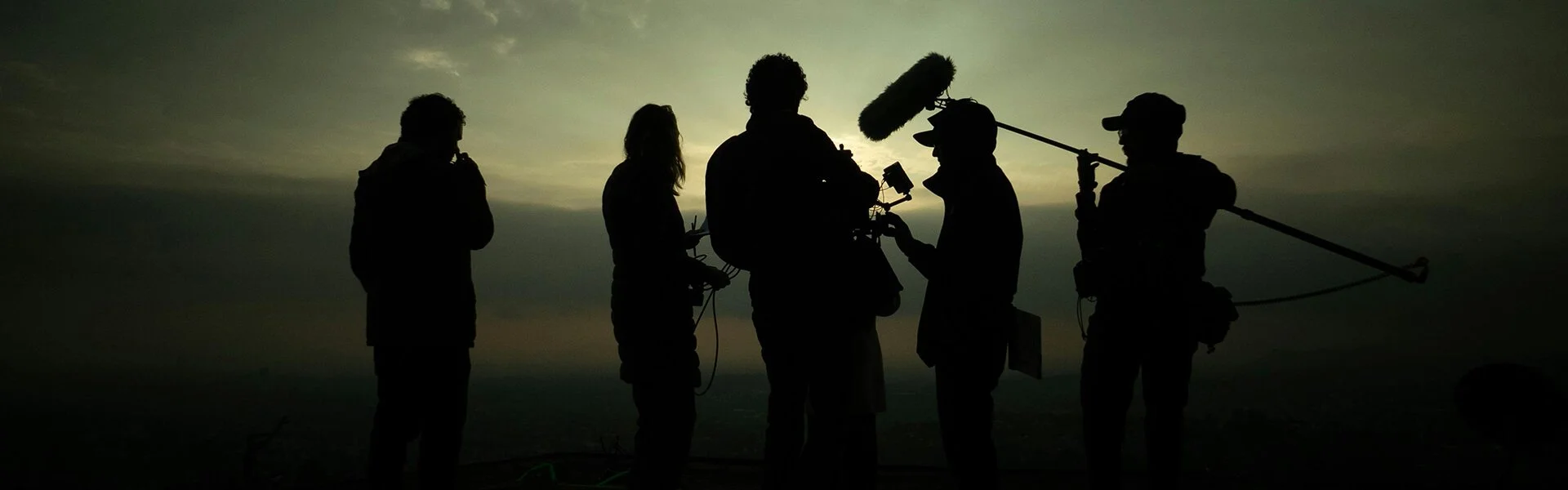
Good camera operation is usually more restrained than people expect.
It is not mainly about constant motion or showing technical ambition. It is about knowing when to hold, when to adjust, when to simplify, and when to protect the safer option because the edit will need it later.
On a small shoot, that often means holding a frame long enough to be useful, keeping movement purposeful, watching for distractions that creep into shot, and recognising when the team is leaving a gap that will become obvious later in post-production. A shot can look technically acceptable in the moment and still be restrictive once the material is assembled.
A typical small-team problem
On a small event shoot, operators can overlap quickly if nobody defines angles early enough.
One person assumes they are covering the stage. Another also defaults to the stage because it feels like the obvious safe option. A third moves through the same part of the room on a gimbal because no alternative plan was agreed in advance. By the end of the job, the editor has plenty of similar material from one area and not enough audience, reaction, detail, or transitional footage to build real variation.
That is usually not a filming problem. It is a role-allocation problem.
The same thing happens on branded shoots in quieter ways. The team captures the main action, but not the smaller visual details that would make the sequence easier to cut. Or several people respond to the same piece of feedback without one clear decision-maker, which dilutes the process and makes the set feel less controlled than it should.
When one person is also directing
This is common on smaller productions, and it can work well when the setup is controlled.
The difficulty is divided attention. When the same person is directing and operating, they are usually trying to monitor performance, message, timing, and framing at once. That can be manageable on a simple talking-head or a tightly planned sequence, but it becomes harder when the subject needs active guidance, timings are moving, or the environment is changing.
That is where a simple sequence plan becomes useful. It reduces reactive decision-making and helps the operator-director know what matters most before moving on.
Signs the role is under-covered
You can usually recognise an under-covered camera role in the finished material.
The footage may still be usable, but it feels less protected than it should. The same kind of angle appears too often. Framing shifts without a clear reason. Movement feels added rather than earned. Coverage is too thin to hide joins cleanly. Small technical issues make it through because nobody clearly owned the job of spotting and raising them in time.
More often than not, that means the responsibility was split too loosely, or too many other decisions were competing for attention during the shoot.
| What shows up in the finished footage | Likely underlying issue | Why it points back to camera-operator ownership |
|---|---|---|
| Framing drifts between takes | Nobody was consistently protecting the frame | Shot continuity was under-owned during recording |
| Several angles feel too similar | Shot allocation was not defined early enough | Multi-operator coverage lacked coordination |
| Camera movement feels restless | Movement was added without a clear purpose | The role drifted from judgement into activity |
| There are not enough cutaways | Coverage was treated as secondary | The edit was not properly protected on set |
| Technical issues survive into the edit | Problems were not caught or raised early enough | No one was clearly monitoring image quality during the take |
| The footage is usable but limiting | The shoot captured moments, not enough options | Operator decisions did not sufficiently support the edit |
When a dedicated camera operator becomes worth it
Not every production needs a separate operator.
A simple locked-off update or controlled talking-head may be manageable with one person covering several functions. But the value of a dedicated operator rises when the environment becomes less predictable, multiple angles are needed, key moments cannot be repeated, or the person directing also needs enough headspace to guide the subject properly.
At that point, role separation stops being a luxury and starts becoming a practical safeguard.
Final thoughts
The camera operator’s job is not to make a production feel more complicated. It is to make the material more reliable.
On small teams, that often comes down to clearer allocation, calmer judgement, and less duplication. A short pre-shoot conversation. A simple sequence plan. A defined communication lead. One person properly owning the frame instead of everyone assuming someone else is watching it.
That is usually what improves the end result most. Not more gear. Not more activity. Just fewer avoidable gaps between what the team intended to capture and what the edit actually has to work with.